Where to Shelter in a Zombie Apocalypse: Comparing Your Options
An upstairs apartment, a farmhouse or a camp in the woods? Compare what each place gives you, what you must supply and whether getting there improves your situation.

Short answer
Key takeaways
- Choose the place for the people, supplies and transport you actually have; include the journey in the comparison.
- Separate a useful overnight stop from a base that can support repeated days of living.
- A rural address needs working water and sanitation systems; land and a well do not establish self-sufficiency.
- A staffed shelter and an empty public building are different options. Confirm who is receiving people.
- Keep one confirmed fallback whose access or essential services differ from your main location.
The best place to shelter in a zombie apocalypse is a reachable, usable place that supports the people staying there. Start by comparing your familiar home with a confirmed alternative. Include drinking water, toilets, weather protection, access and the journey. A distant farmhouse or forest camp only improves the choice when you can make its daily essentials work.
This is a fictional preparedness exercise grounded in real accommodation problems. It does not assume that zombies behave in any particular way. During an actual emergency, current local protective instructions take priority. Here, the task is to choose a main place and a workable fallback, rather than a location that merely looks impressive.
Start With Where You Are and What You Have
Already at a usable home: make that your first candidate. You know the layout, have access and can count the supplies. Compare it with specific alternatives before spending resources on a move. The first 24 hours guide covers the wider initial response; this comparison focuses on where you will stay.
Away from home without a kit, car or working phone: start with a known open, staffed place you can safely reach, such as your workplace reception or a public assistance point. Ask whether you may wait there, who can help arrange somewhere to sleep and whether they can contact a host or receiving centre. Confirm the address and arrival arrangement before setting off again. You do not need a wilderness equipment list to begin this conversation.
Choosing for a household: include everyone in the journey and sleeping plan. A room reached by several flights of stairs may work for one adult but not for the whole household. Check access needs and arrangements for children and pets before counting the destination as available.
Already have an alternative property: contact whoever is responsible for it. Ask what is working now and who else is expected. A family cabin visited last summer is a candidate to verify, not a reservation that automatically remains valid.
Compare the Seven Main Shelter Options
Compare each location's useful role and main limitation, then check the detailed sections against your household and journey.
| Place | What it can give you | Main limitation to resolve | Strongest use |
|---|---|---|---|
| Apartment or high-rise | Familiar rooms, existing supplies and nearby contacts | Shared services and carrying everything up and down stairs | Staying where you already have a functioning household |
| Detached house | Flexible living space, storage and direct ground-level access | Maintaining the property with the people and resources available | A known home or agreed host with usable systems |
| Rural house or farm | Space, storage and possible established food production | Transport, powered water systems and distance from support | A prepared destination with a host and known supplies |
| Operating public shelter | Organised reception and whatever services the site provides | Current opening, capacity and household arrangements | Accommodation when private options or equipment are missing |
| Shop, mall or warehouse | Potential supplies and covered space | Permission, condition and suitability for sleeping | An authorised, managed temporary arrangement |
| Basement or purpose-built shelter | An existing protected indoor area | Suitable occupancy, exits, air and service dependencies | An assessed, maintained space used for its intended purpose |
| Woodland camp | Portable accommodation for an equipped group | Weather, carried supplies and repeated camp work | A planned temporary stay with a viable onward option |
| Space station (fictional bonus) | A very respectable distance from the neighbours | Getting there. Then sorting out the air. | When your backup plan has its own launch window |
Check the Functions Before the Location
Make two judgments: can this place work tonight, and what would keep it working afterwards? A sofa offered overnight solves something valuable even if it is not your long-term base. Conversely, a remote property with future potential may be useless for tonight if nobody can get you inside.
Entry, exits and the actual living area
Name the person who can admit you and the space you may use. Locate the route from that space to the outside, including locked communal doors. Follow the building's fire plan and local instructions. Keep escape routes clear; the home fire escape guidance also stresses knowing the available stairways in a high-rise. An upper-floor window is not a substitute for a usable escape route.
Inspect familiar, accessible areas for ordinary practical obstacles, but leave structural or service damage to qualified assessment. You are choosing accommodation, not certifying a building through a quick walk around it.
Water, toilets and usable supplies
Count what is available where people will live. A nearby river, locked storeroom or promised delivery is not water already in your room. Unopened commercially bottled water is a reliable stored option; water you store yourself needs suitable clean containers, as explained in the emergency water supply guidance. Our home water storage guide covers quantities and storage in detail.
Ask how the toilet arrangement works if normal services stop. Include handwashing and waste handling in the answer. A location with a full pantry but no workable sanitation needs that gap resolved before a longer stay; the emergency toilet guide develops the household options.
Temperature, rest and the people doing the work
Check the actual sleeping area, available bedding and how its temperature changes without power. If it becomes too hot or cold to remain usable, moving to accommodation with appropriate heating or cooling is part of outage planning. Outdoor cooking and heating equipment must not become an indoor workaround.
Then count the recurring jobs: carrying water, cleaning shared areas, obtaining supplies and keeping contact with others. Assign them to real people. An attractive property that requires more daily work than your group can complete is too large a commitment.
What Each Type of Shelter Is Like to Live In
1. Apartment or high-rise: familiarity with shared dependencies
An apartment can be a sensible starting base. Your belongings are already there, the household has beds and clothing, and you may know neighbours who can share information or practical tasks. Moving away immediately can exchange those advantages for a journey with uncertain accommodation at the end.
The decisive issue is often the building around the apartment. Ask management what happens to entry doors, water delivery and shared services during an outage. Do not assume every building has the same arrangement. Consider how you would carry supplies from the entrance to your floor and whether everyone could make the necessary journeys without a lift or elevator.
Height changes that workload. Being several floors above the street does not establish that the flat is more usable, and selecting an exceptionally high floor can make replenishment harder. Compare a known apartment with a ground-level alternative using the household's actual abilities.
Choose it when the flat and shared routes remain usable, essential needs can be met and leaving offers no confirmed improvement. If you stay, the home-base preparation guide explains how to organise the space. There is no need to turn the whole building into your personal project.
2. Detached house: more flexibility, more property to manage
A familiar house can offer direct access, storage and several choices of sleeping room. Ground-level living may make it easier to move supplies and accommodate someone who cannot manage stairs. Existing outdoor space can also support household tasks when conditions and local rules allow them.
Its size is both an advantage and a cost. A large house may spread a small group across too many rooms, with more cleaning, walking and maintenance than they need. Choose a manageable living area and keep the rest of the property in its ordinary maintained condition. Extra square footage is useful only when it serves a purpose.
If it belongs to a friend or relative, agree which rooms are available, what you should bring and how expenses and daily work will be shared. An invitation to stay does not necessarily include the owner's entire pantry or equipment collection.
Choose it when its layout removes a real constraint at your current place and the host can accommodate the whole household. A known small home with working arrangements can be a better choice than a large unfamiliar property.
3. Rural house or farm: preparation matters more than distance
A rural property becomes compelling when it already has functioning accommodation, stored supplies and someone who knows its systems. It may offer an established garden, workshops or space for several households. Those advantages come from preparation and ongoing work, not simply from being far from a city.
Confirm how water reaches the tap. Electric well pumps stop when their power fails, and some onsite sewage systems also need powered components. The well and septic guidance explains why the presence of a well and septic tank does not prove that both remain operational without electricity. Ask about the particular installation rather than guessing from the property description.
Check the journey's last section as carefully as the main road: access permission, the gate, expected arrival and who will meet you. Then consider the next supply trip. A remote address can turn an ordinary errand into a substantial transport requirement.
Land also has a timetable. An empty field will not provide tomorrow's meals. An established crop is useful only with the ability to tend, harvest and use it; the survival garden guide covers that longer process.
Choose it when the property is a confirmed, functioning destination and your transport plan supports both arrival and continued living. Treat an unknown farmhouse as an unanswered question, however good it looks on a map.
4. School or community centre: the operator makes the difference
A school hall operating as an emergency shelter can be much more useful to a person without supplies than a private empty room. The open-shelter information from the American Red Cross illustrates the distinction: overnight accommodation and other service points are identified separately, and available services depend on the location.
Confirm that the site receives overnight arrivals, what it provides and any arrangements affecting your household. Ask the operator about accessible sleeping space, children, pets and the expected duration of the stay. These are questions for the actual receiving organisation; another country's or city's procedures may differ.
An unused school with no operator is a separate proposition. A gym floor, kitchen and toilets do not tell you whether the building is open, utilities work or anyone may sleep there.
Choose an operating centre when its confirmed services solve needs you cannot meet privately. Shared accommodation can be a practical bridge to a longer arrangement. The evacuation shelter guide explains arrival and daily living without turning this comparison into a second registration checklist.
5. Shop, mall or warehouse: supplies do not equal accommodation
Commercial buildings are tempting in fiction because the shelves seem to solve the supply problem. In practice, access to those supplies and permission to sleep in the building are separate questions. Stock may require refrigeration or cooking; covered floor space may have little provision for rest, privacy or ordinary household washing.
A large building also gives a small group more area to manage. Before considering an authorised temporary stay, ask its responsible operator which part is suitable and what facilities remain available. A staffed premises used under an agreed plan is very different from arriving at a closed shopping centre and assuming it can become a home.
Vacant or abandoned premises may have structural and other hazards, as described in the vacant-building guidance. Do not enter a damaged or unfamiliar abandoned building to perform your own shelter inspection.
Choose this option only when a responsible operator has established a suitable arrangement. Otherwise, treat the commercial site as a possible authorised service or supply destination, rather than the automatic place to sleep beside those supplies.
6. Basement or purpose-built shelter: assess the whole system
A basement can provide useful space within a home you already know. It may hold supplies or offer a suitable room, but its position below ground is not a complete accommodation plan. Check the intended use of the room, moisture history, lighting, ventilation and the approved exit arrangements. A storage cellar is not automatically suitable for sleeping.
A purpose-built underground shelter requires an equally specific review. Ask who maintains it, how its installed systems operate, which functions need power and how occupants leave if the normal arrangement is unavailable. Obtain operating information from its owner or qualified provider. Do not improvise ventilation, alter the structure or seal a room because enclosed space looks reassuring.
For an existing household basement, compare it with other rooms in the same building before treating it as a separate destination. Moving downstairs may change one condition while leaving the same water, sanitation and access dependencies in place.
Choose it when it is suitable for occupancy and its maintained systems support the intended stay. The label “bunker” should lead to more precise questions, not an exemption from them.
7. Woodland camp: a complete outdoor setup or a temporary waiting place
An equipped camp can provide accommodation away from buildings, but you bring much of its infrastructure with you. Weather protection, sleeping equipment, water arrangements and food preparation all belong in the camping equipment plan. A tent alone does not complete it. Confirm land access, waste arrangements and how you will replenish supplies or move on.
For the practical work of living there, our wilderness camp setup guide covers sleeping and food areas, water collection, sanitation and a daily routine for an extended temporary stay.
Choose a permitted site suited to the conditions. Avoid low hollows, ravines and positions beneath dead trees or branches; campsite selection guidance also emphasises the facilities and local rules that affect a stay. A usable established campsite may remove work that an isolated patch of woodland would add.
With limited equipment, match the stay to the missing item. A tarp without suitable bedding does not offer the same overnight arrangement as a complete camp. If a staffed campground or known host is safely reachable, ask about available covered accommodation and facilities before extending the outdoor stay. Do not plan repeated nights around equipment you hope to obtain later.
With no equipment and already in the woods, begin by stopping to establish where you are. Return along a known route only if you are confident of it and conditions allow. If you are lost, stay near a recognisable location unless it is immediately hazardous. Use nearby natural protection from wind or rain without moving deeper into unfamiliar terrain; fasten the clothing you have. Keep yourself visible to searchers and call or wave when help is nearby. These priorities follow the outdoor emergency plan; they do not require a tent, container, tool or phone. The unexpected overnight guide develops practical protection while waiting.
Choose a camp as a planned base when the group has the equipment, skills and supply arrangement for it. Without those, the immediate objective is protection and contact, not creating a permanent forest settlement.
What About a Roof, an Island or a Boat?
A roof can look attractive because it separates people from the street. It also puts accommodation outside the building's ordinary living rooms. Check whether access and occupancy are permitted, how everyone returns indoors and what protects them from the weather. Do not count it as an escape route unless the building's plan actually designates it. An accessible roof is not automatically a place for a week-long camp.
An island exchanges road access for a transport requirement. Before considering it, identify a permitted landing, actual accommodation, drinking water, an agreed host and a means of leaving. A small patch of land surrounded by water does not supply any of those automatically.
A boat may work for people already competent with that vessel and its systems. Consider the berth or anchorage, weather, onboard water, sanitation and replenishment. Simply reaching a boat does not establish the ability or permission to operate it. Evaluate an established liveaboard arrangement on its merits; do not substitute an unfamiliar vessel for a familiar house merely because it floats.
Three Choices That Change With the People Involved
Alone, no car and no prepared bag
You can reach a known friend's apartment on foot, and the friend confirms a bed and meals. A rural cabin is also available, but nobody can provide transport. Choose the apartment for the immediate stay. The cabin remains a future option once the journey is arranged. This avoids spending the day pursuing a destination whose main problem is getting there.
A family in an upstairs flat
The flat contains the family's supplies, but one member cannot manage the stairs needed for repeated trips during a lift outage. A relative offers suitable ground-floor space nearby. Confirm the journey and receiving arrangement, then compare the work of one organised move with repeatedly overcoming the same access problem. Here, familiarity alone does not settle the choice.
A group with an invitation to a farm
The host confirms rooms, an operating water supply and space for everyone's belongings. However, only one vehicle is available, and it cannot carry the entire group and planned load together. Arrange sufficient transport or revise the load and journey before treating the move as ready. Do not send part of the group away on the assumption that another trip will definitely remain possible.
These examples use a confirmed fact to change a decision. They do not award permanent first place to apartments, ground-floor homes or farms.
Confirm a Fallback Before You Need to Use It
Choose a fallback that addresses your main location's weak point. If several nearby flats share the same unavailable water service, changing floors may not solve the problem. If your rural option depends on a single vehicle, a reachable local host may be a more useful immediate fallback than another remote property.
Write a short destination record:
- Place and receiving person: address, permission to stay and how arrival is arranged.
- People and capacity: everyone travelling, sleeping spaces and any access or pet arrangements.
- Journey: usable route, actual transport and what each person can carry.
- Services: what is provided, what you bring and which essential question remains unresolved.
- Review point: when to reconfirm and which change would require another choice.
Keep the information available offline when preparing in advance. Agree a meeting place for separation and tell relevant contacts about a planned move; these are practical elements of a household emergency plan.
Review the arrangement when occupancy, services, weather, permission or transport changes. Do not wait for a routine review when an immediate danger or official instruction requires action. For ongoing supply counts and daily responsibilities after arrival, use the first-week guide.
The selection is complete when you can explain where everyone will sleep, how essential needs will work, who expects you and what happens if that arrangement ends. You can then spend your effort making the chosen place function.
Zombie Scenario: The School With Someone at the Door
Fictional scenario
In an imagined outbreak, two neighbours reach a school they know from a local shelter announcement. One expects them to sleep there immediately; the other asks the staff what is actually available.
Reception confirms overnight space, drinking water and working toilets. The sports hall is ready, while the classroom wing remains closed. Staff also explain when the next update about the site's operation will be given.
They settle into the designated area and contact a relative about a possible later stay. The school becomes their immediate shelter because someone is operating it and can answer their questions. Its familiar name was only the starting point.
Frequently Asked
Which country or region would be safest in a zombie apocalypse?
Could a hotel be a good shelter?
What about a camper van or motorhome?
Is it better to shelter alone or with a group?
What if more people arrive after we have chosen the place?
How can I confirm a shelter without internet access?
Should I keep my shelter location secret?
Would fast or climbing zombies change the best location?
Sources
- U.S. Fire Administration — Home Fire Escape Plans
- CDC — How to Create and Store an Emergency Water Supply
- American Red Cross — Power Outage Safety
- Virginia Department of Health — Private Wells and Onsite Sewage Systems Before and After a Storm
- American Red Cross — Find an Open Shelter
- U.S. Fire Administration — Vacant and Abandoned Buildings
- National Park Service — Camping: What to Bring
- National Park Service — Finding and Setting Up a Campsite
- National Park Service — Outdoor Emergency Plan
- UK Government — Be Ready for Emergencies
Related guides
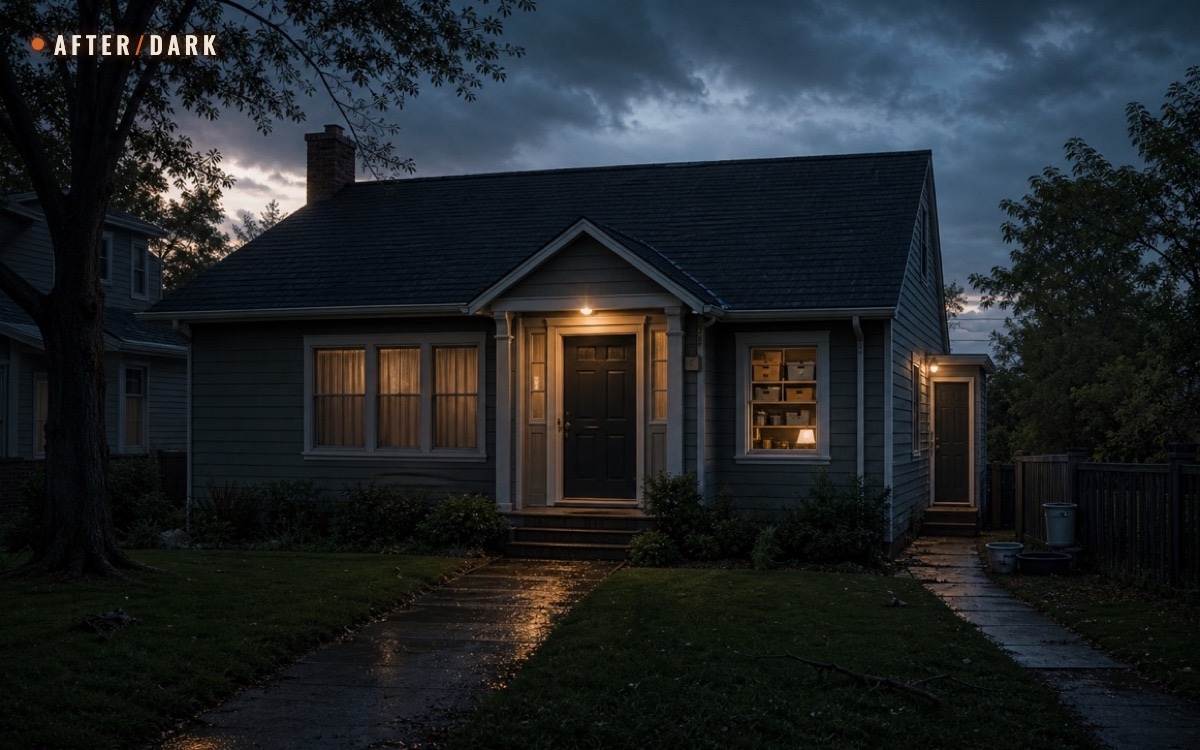
How to Prepare Your Home for an Apocalypse
Turn an ordinary house or apartment into a safe, workable base without blocking exits, scattering supplies, or mistaking barricades for preparedness.
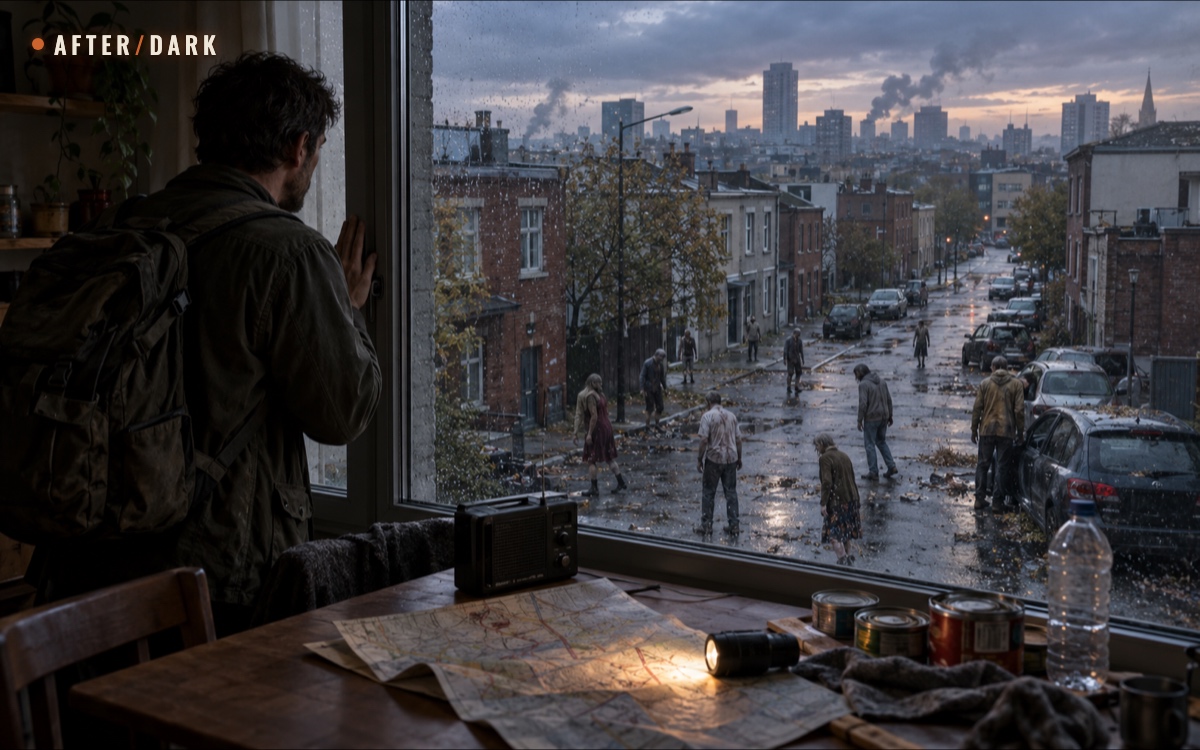
How to Survive the First Week of a Zombie Apocalypse
The first night is over. Turn what you have into a workable week: usable meals, water replenishment, sanitation, shared responsibilities, and a next destination if needed.
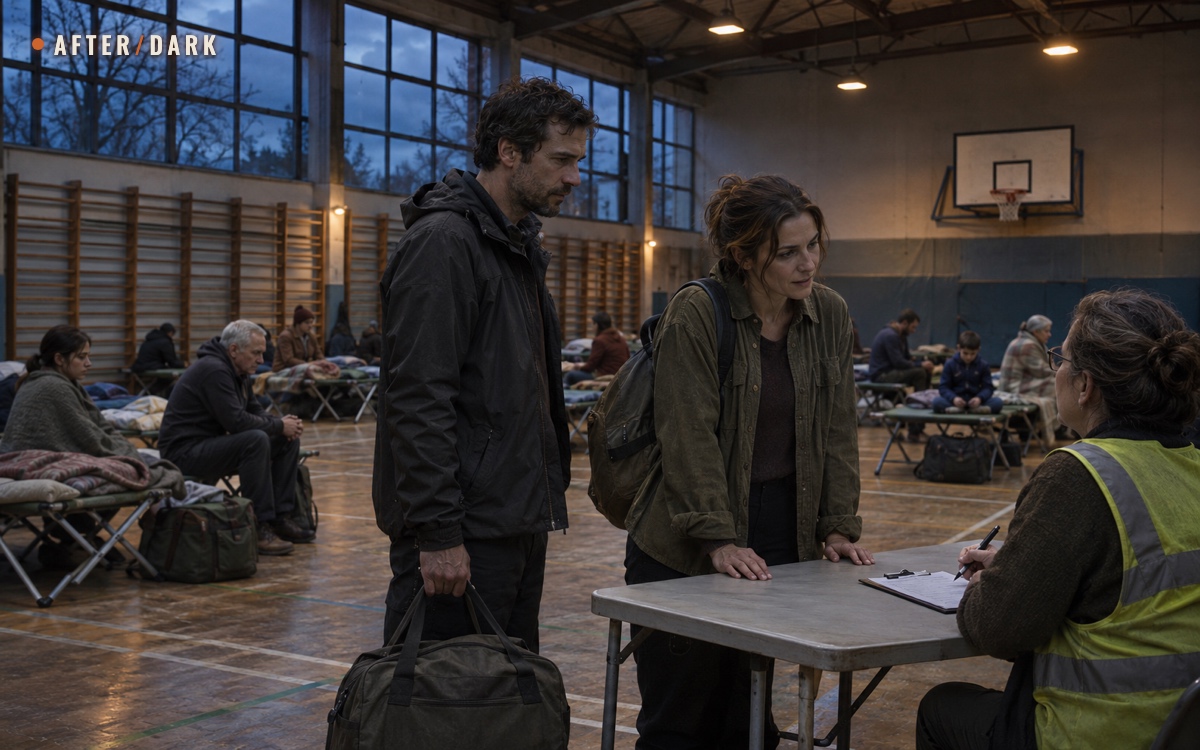
Evacuation Shelters: What to Expect and What to Bring
From arriving empty-handed to settling into a shared sleeping area: a practical guide to check-in, personal essentials, family needs, and the next destination.