Solar Storm Warning: What It Means and What to Do
Turn a space-weather bulletin into practical decisions: understand the message, check local services, and prepare the resources you actually have.
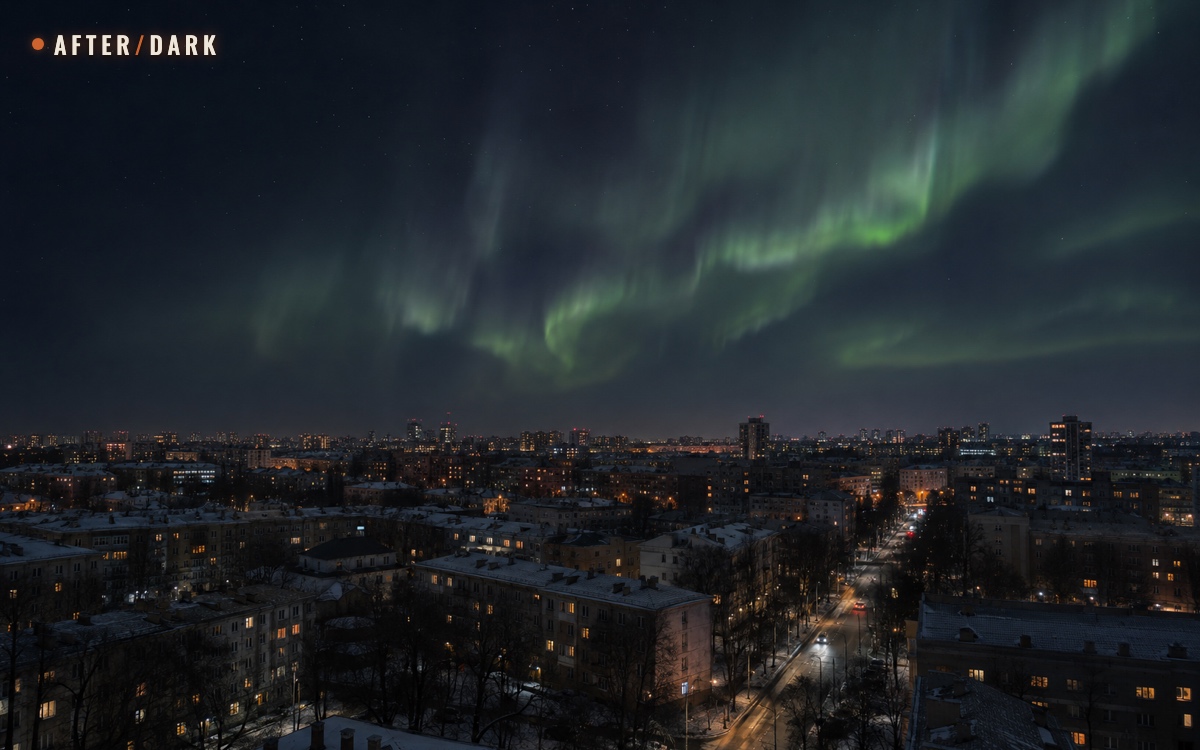
Short answer
Key takeaways
- Read the event type and valid period as well as the headline: a forecast, an approaching event, and an observed threshold describe different information.
- Use local utility, transport, and emergency-management updates to decide what changes where you are.
- Prepare with existing resources first: usable light, charged devices, accessible essentials, and a way to hear updates.
- A radio-blackout bulletin concerns particular radio signals; it does not establish that every phone, broadcast, and internet connection has failed.
- If you have no working phone, arrange how a nearby person or the staff at your current location will relay updates.
Imagine an ordinary evening. Your phone lights up with a headline about a severe solar storm. Outside, traffic keeps moving and the apartment windows across the street are still lit. In the group chat, someone asks whether everyone should charge their phones; someone else has shared a screenshot predicting a worldwide blackout.
The useful next step is to establish what the actual bulletin says, then prepare for the services you depend on. You can do that without learning to forecast the Sun or buying a new collection of equipment. This guide covers reading the warning, making practical arrangements, and responding if something locally stops working.
Read the Solar Storm Warning Before Sharing It
Start with the issuing service rather than the cropped screenshot. NOAA's current space-weather bulletins are a primary source in the United States. The Met Office space-weather forecast provides notifications and forecast summaries in the United Kingdom. Elsewhere, use your national meteorological or space-weather service alongside local emergency-management information.
Find four details:
- The event: Does the notice concern geomagnetic activity, a radio blackout, or another space-weather condition?
- The status: Is it forecast, imminent, or already observed?
- The valid period: Check the date, start and end times, and time zone. The time an article was posted may differ from the period it describes.
- The stated effects or instructions: Separate a list of possible technical effects from an instruction addressed to residents or customers.
NOAA's watch, warning, and alert definitions distinguish forecast confidence and observed conditions. The following table translates those definitions into a reading task; its last column is a practical way to use the information, not an official household severity scale.
Read the notification type alongside its event, severity, and valid time.
| Message | What it tells you | What to check next |
|---|---|---|
| Watch | The likelihood has increased, but occurrence or timing remains uncertain. | The forecast window and whether local providers have issued preparation advice. |
| Warning | Significant activity is occurring, imminent, or likely; the forecast is more immediate and confident. | The valid period, any updated severity, and current local instructions. |
| Alert | Measurements have crossed a defined threshold, or an event has begun. | Which condition was observed and whether services you use report an impact. |
For example, a hypothetical G4 watch for tomorrow is a reason to read the forecast and check arrangements before that window. It does not establish that your street has lost power tonight. An observed alert later would update the space-weather picture; a notice from your utility would tell you more about your electricity supply.
If you relay the message to someone else, include the issuing source and valid time. “Here is the bulletin; our utility has not announced a local interruption” preserves information that disappears when a screenshot is reduced to “blackout tomorrow.”
Understand the Letters and the Possible Effects
Solar storm is an umbrella phrase. The NOAA space-weather scales distinguish G for geomagnetic storms, R for radio blackouts, and S for solar radiation storms. Each has levels from 1 to 5. The G labels are Minor, Moderate, Strong, Severe, and Extreme.
Those numbers belong to different scales. An R3 bulletin is not a G3 forecast, and the number is not a countdown or the proportion of households that will lose a service. For everyday preparedness, identify the affected technology and the local dependency it supports.
Electricity: the important connection is the grid
Strong geomagnetic disturbances can disrupt power systems. Effects vary with the event, location, and infrastructure. Grid operators monitor conditions and take protective measures; the Met Office describes how grid design changes exposure.
For a resident, the actionable information is whether the responsible operator reports an interruption, requests conservation, or issues other instructions. A large storm can require work from operators while your lights remain on. Use the forecast to check readiness, and the local notice to decide what needs to change now.
Radio: check which kind of communication is affected
The phrase radio blackout in a solar-flare bulletin concerns disruption of particular radio propagation, especially high-frequency, or HF, communications. These include long-distance shortwave links used by some aviation, maritime, and amateur-radio services. Solar-flare effects occur on the sunlit side of Earth; other space-weather processes can also disturb HF reception. NOAA explains these radio effects.
That phrase does not, by itself, report the failure of every mobile network, home internet connection, or local broadcast. Equally, a working battery does not guarantee a working network. Test the channel you intend to use and retain another information route. If a local broadcast remains available, a receiver can still be useful; our emergency radio setup guide explains how to identify and test suitable stations.
Navigation: a downloaded map and a position fix are separate
Disturbances in the upper atmosphere can reduce satellite-navigation accuracy or prevent a receiver maintaining a signal. A saved map may still open while its location marker becomes unreliable.
Before unfamiliar travel, save the destination address and route details, including named streets, stops, or landmarks. Check the position marker against what you can actually identify. If the information conflicts, stop somewhere appropriate and resolve your location before continuing. An offline map and written route card give you information to work with when a live navigation service cannot.
Prepare What You Have While Services Work
Start with arrangements that are useful for an ordinary outage as well. Official preparations for an extreme solar event include a household communication plan, accessible keys, backup information, and ways to keep devices powered.
Charge the phone and power bank you already own, check the cable, and locate a working independent light. Open essential saved information before you need it: a contact stored only in a cloud account or a ticket that needs another login may be difficult to retrieve later. Keep a paper copy of the few details another person would need if your phone stopped working.
Agree on a contact arrangement that matches the next day. For a household leaving for work or school, decide who will send the first update and what happens if a reply does not arrive. A useful message is specific: “I am at the office, staying here until the transport update, and will check in again at our agreed time.” Our emergency communication plan covers meeting points and missed-contact arrangements.
Then check what an interruption would prevent you from doing at your current location. Use this short review to find the first unresolved dependency.
Check whether the resources you already have can perform the task without mains electricity.
| Task | Check now | Resolve a missing arrangement |
|---|---|---|
| Get around after dark | Find a working torch and the route to the door. | Put the light where it can be reached; arrange a shared light if needed. |
| Receive an update | Identify an available broadcast, phone connection, or person who can relay information. | Agree where and when you will get the next update. |
| Drink and eat | Count accessible drinking water and food you can use without powered cooking. | Identify the first shortage and a feasible way to obtain or share essentials. |
| Leave and return | Check keys, building access, and the transport you expect to use. | Ask the responsible manager or operator about arrangements during an interruption. |
The UK government's power-cut guidance recommends independent lighting, ready-to-eat supplies, water, and a way to hear broadcasts. Match quantities to your local preparedness guidance and household needs. For a fuller reserve, use our water-storage plan; this warning should prompt a check of what is usable, including whether you can open and pour it.
If you already have a kit, take out and test the items needed for the coming evening. A torch buried under camping gear and a charged battery with the wrong connector are unfinished arrangements. If your supplies are limited, concentrate first on the task you cannot currently perform rather than replacing everything at once.
Adapt the Plan to Where You Are
At home, with an ordinary evening ahead
Finish the readiness check, identify the next official update, and continue normal activities unless local instructions say otherwise. If several people share the home, have one person relay material changes so everyone does not repeatedly search for the same information.
Check building-specific dependencies with the person responsible for them. An upper-floor apartment may rely on shared water pumps or powered access; a house may have an electric garage door. Obtain the approved arrangements while you can ask questions. The home power outage plan provides the detailed sequence if an interruption actually starts.
At work, in a hotel, or traveling without a car
Ask about the practical part of the day that could change: getting home, re-entering the building, receiving an announcement, or contacting your companions. In a hotel, confirm how reception will communicate service changes and keep its address and contact details outside a booking app. At work, follow the site's arrangements for disrupted services and departure.
For public transport, check your actual operator before setting out and identify where updates will be available if mobile data fails. Keep the destination and a usable alternative with you. If a service is suspended, ask staff about the current replacement or waiting arrangements; an old timetable or a proposed ride that nobody has confirmed is not a completed way home.
For an unfamiliar destination, save the host's address and enough route information to describe where you are. Tell your coordinating contact about a changed plan before separating from companions where possible. The aim is a clear next destination and contact arrangement, not an unnecessary journey caused by a dramatic headline.
With no prepared kit or money for new equipment
List what is already available at your current location. That might be a charged phone, an ordinary torch, food that opens without a powered appliance, a bottle of drinking water, and someone nearby who receives news. Combine those into a workable evening before considering purchases.
If something essential is missing, make a concrete request while help is reachable: borrowing a torch, charging at a host's home, sharing an update, or obtaining drinking water. Confirm the arrangement rather than assuming a public building will remain open or provide supplies. If you may need to stay elsewhere, agree this with the host and check how you would reach them.
You have a useful first plan when you know where you will stay, how you will obtain your next essentials, and who can pass on an important change. Expand it as resources become available.
With no working phone or internet
Use a functioning receiver if you have one. If you have no device, ask a safely reachable neighbour, host, reception desk, or staff member at your current location for the latest local notice. Ask who issued it and when, then agree how they will tell you if the instruction changes.
Make the arrangement precise: “I will be in this room. Can you tell me if the building or transport instructions change? Where should I come for the next update?” Write down an agreed contact or meeting arrangement if paper is available; otherwise repeat it back so both people understand it.
If the first person has only a rumour, ask for help reaching the responsible service through an available channel. You do not need to buy a radio to begin arranging information access. Our guide to communication without cell service or internet explains additional options when equipment is available.
If Power or Communication Is Interrupted
Respond to the service failure you can establish. The cause may still be under investigation, and ordinary faults can occur during a solar-storm forecast. Reporting the address and symptoms is more useful to an operator than assigning a cause yourself.
For a power cut, use your available independent light, check that everyone with you knows what has happened, and note the start time. Keep refrigerator and freezer doors closed while you establish the next step. Our cold-food outage guide covers the relevant time and temperature decisions.
Follow any conservation request, planned interruption notice, or other local instruction. NWS guidance during an extreme solar event emphasizes following official directions and conserving electricity when the grid is under strain. The request may specify appliances, hours, or an area: pass on those details accurately rather than turning it into a different household rule.
For a communication failure, try the available alternative and keep nonessential attempts brief. A message sitting in an outbox has not reached the other person. Use the previously agreed missed-contact arrangement, and tell your group when you obtain a confirmed update. Follow provider or authority requests about network use.
Preserve enough device power for the next necessary contact. Close streaming or other nonessential use and keep an independent light doing the lighting task where possible. Our phone, light, and radio power guide helps allocate limited charging capacity when several devices compete for it.
If the place you are staying no longer supports essential needs, use local assistance or accommodation arrangements and confirm the next location and access before moving. Follow an actual protective instruction promptly.
When the Warning Changes or Ends
A forecast may be updated, extended, or cancelled as observations change. The Met Office notification definitions distinguish cancellation from an event summary, which records observed timing and peak conditions. Read the new issue time and what changed before discarding the previous plan.
If your services continued normally, close the information loop: tell anyone you were coordinating with that no local interruption occurred, check whether a later forecast window remains, and keep the useful preparations. An uneventful outcome is a good reason to retain a simple plan that was inexpensive to use.
If services failed, check their recovery individually with the responsible providers. Electricity returning does not establish that internet, transport, building access, or water arrangements have all recovered. Keep any service-specific instructions in effect until the responsible organisation changes them.
Finally, recharge what you used, replace consumed essentials, and correct one concrete weakness you discovered. Post-event guidance includes following local officials and replenishing supplies. Record whether the missing piece was a cable, an inaccessible contact, an untested radio station, or an unclear way home. Fixing that piece leaves you better prepared for the next interruption, whatever causes it.
Frequently Asked
Will a solar storm warning automatically appear on my phone?
Are a solar flare and a geomagnetic storm the same thing?
Does G5 mean another Carrington Event?
If my phone loses service, does that mean the storm damaged it?
Why can I see a Wi-Fi connection but still have no internet?
Should I cancel a flight because a solar storm is forecast?
Why does the bulletin show a different date from my local forecast?
Does seeing an aurora mean the power is about to go out?
Sources
- NOAA Space Weather Prediction Center — Alerts, Watches and Warnings
- Met Office — Space Weather Forecast and Notifications
- National Weather Service — Space Weather Watches, Warnings and Alerts
- NOAA Space Weather Prediction Center — Space Weather Scales
- Met Office — Space Weather Impacts
- NOAA Space Weather Prediction Center — HF Radio Communications
- NOAA Space Weather Prediction Center — Space Weather and GPS Systems
- National Weather Service — Before an Extreme Solar Event
- UK Government Be Ready — Power Cuts
- National Weather Service — During an Extreme Solar Event
- Met Office — Space Weather Warnings Explained
- National Weather Service — After an Extreme Solar Event
- NASA — Solar Flares FAQs
- FoodSafety.gov — Food Safety During Power Outage
Related guides
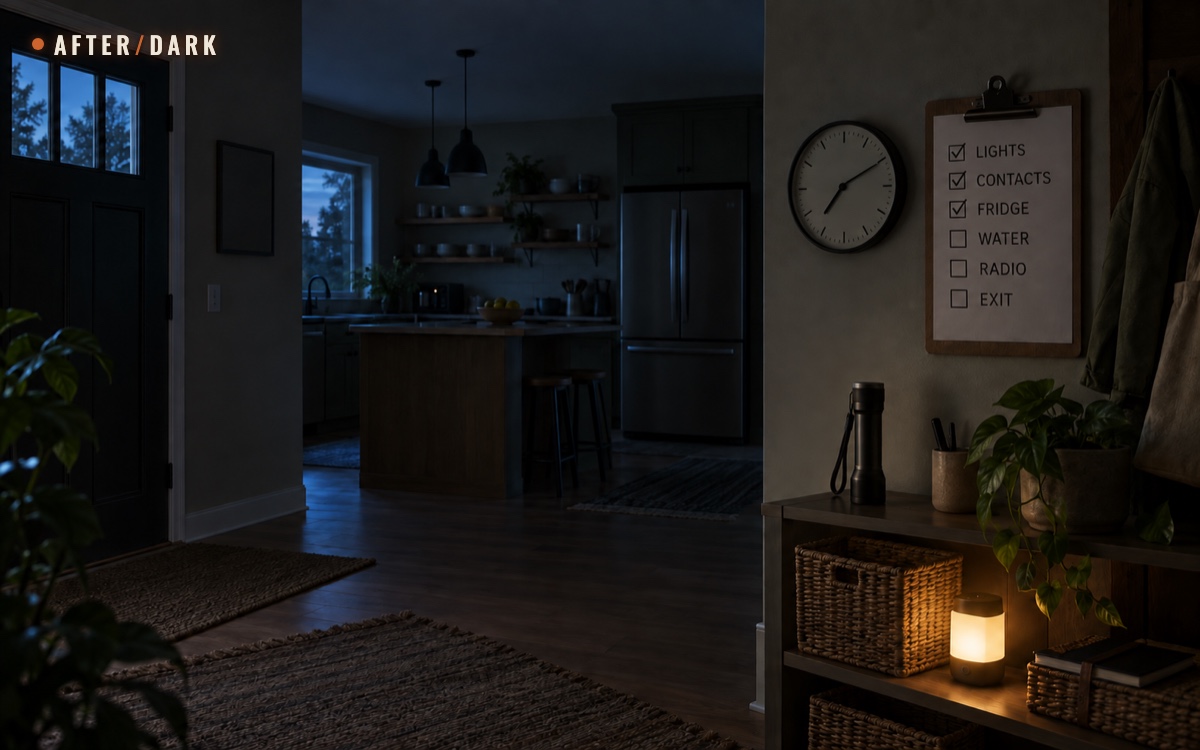
How to Build a Home Power Outage Plan for a Long Blackout
Turn separate outage supplies into one tested household sequence for lighting, food, communication, water, temperature control, and recovery.
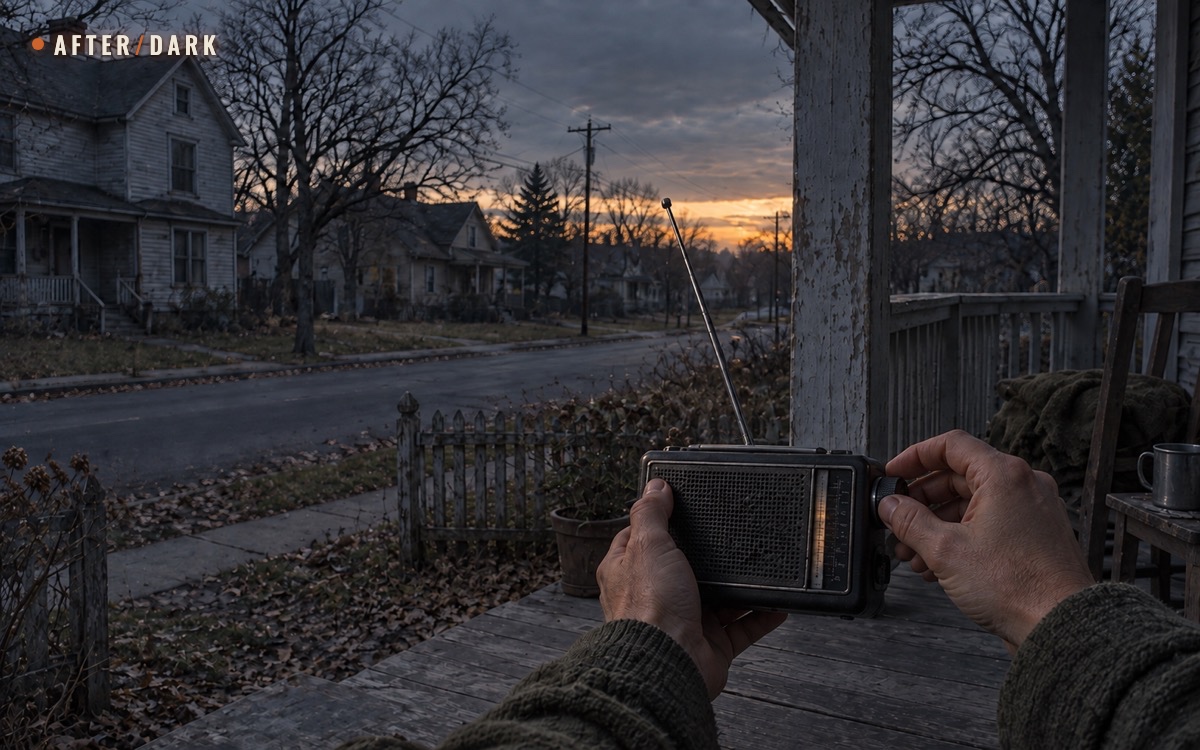
How to Choose and Set Up an Emergency Radio
Match a receiver to local broadcasts, find a reliable listening position, and test its controls, alert settings, and backup power before a long outage.
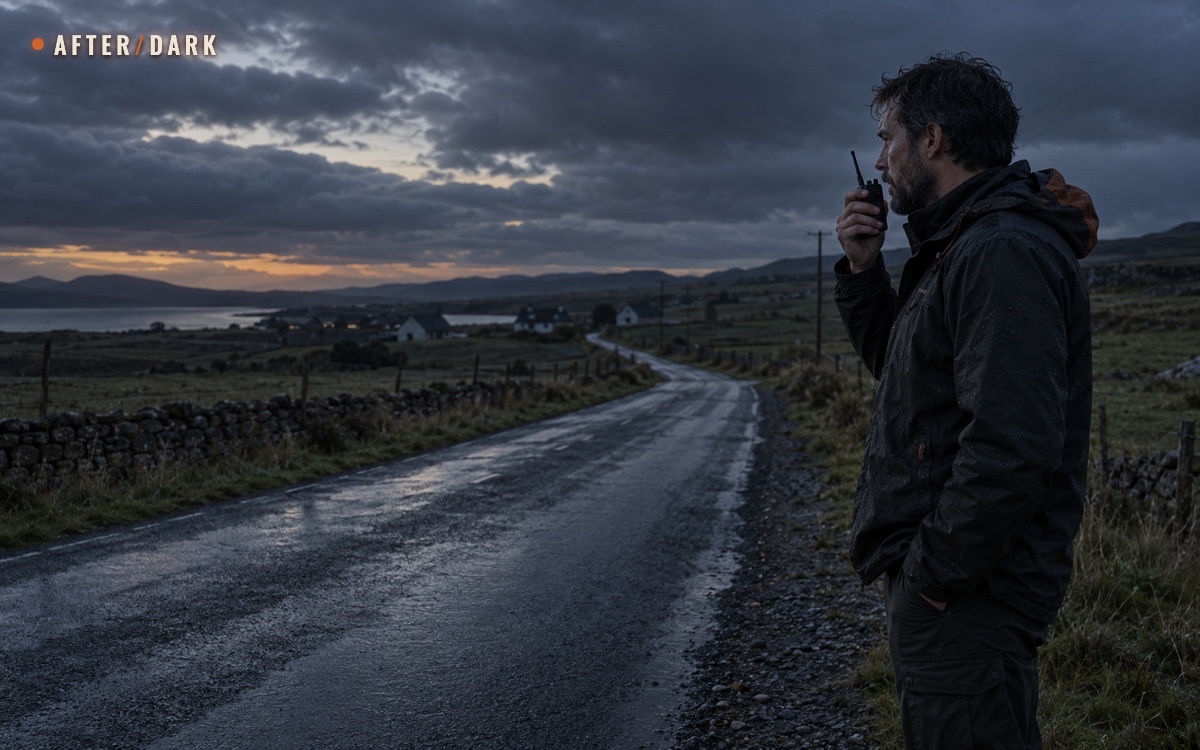
How to Communicate Without Cell Service or Internet
Choose a way to exchange messages during an outage or beyond coverage, including what to do with only a phone or no working devices.